PIH (Post-Inflammatory Hyperpigmentation)
Dark marks after breakouts or inflammation
Not medical advice. Content is based on personal experience and published research. Always consult a qualified dermatologist before starting any new treatment or regimen.
The short answer
Post-inflammatory hyperpigmentation (PIH) is extra pigment associated with skin inflammation or injury, including acne and dermatitis. It can affect any skin tone but is especially prominent in darker skin, and it may persist for months or longer. The first question is what is keeping the skin inflamed—not which product sounds strongest. [1,4]
20-Second Answer
The 3 established, editor-vetted options for this concern:
This concern has a wide range of options below — simplify first. Start here, give it time, and only add more if you need to.
What It Is
PIH is what happens when skin gets inflamed and then leaves a stain behind. The original trigger can be acne, a rash, a burn, an aggressive peel, friction, or even one badly timed extraction. The skin responds to injury by sending inflammatory signals to pigment-producing cells, called melanocytes. Those cells can overproduce melanin, which leaves a brown, grey-brown, or reddish-brown mark after the bump or irritation is gone. Very rude. Very common. The important distinction: PIH is colour, not a dent. If the skin is flat but darker, that is pigment. If there is a hollow, pit, raised edge, or changed texture, that is scarring or texture damage. The two can happen together, which is why acne recovery can feel endless: the spot goes down, then the mark moves in like it pays rent. Medium, pigment-prone skin tends to show PIH more stubbornly because melanocytes are more reactive. Sun exposure, heat, picking, over-exfoliation, and using too many strong actives at once can all keep the pigment cycle switched on. The most useful approach is boring but effective: reduce new inflammation, protect from UV every day, and use pigment-regulating ingredients consistently without irritating the skin into making more marks.
Root Causes
Acne and breakouts: Inflamed spots can trigger pigment cells to overproduce melanin, especially if the spot is deep or repeatedly irritated.
Picking or squeezing: Mechanical trauma adds a second injury on top of the original breakout, which can deepen or prolong the mark.
Aggressive exfoliation: Too many acids, peels, or scrubs can inflame the skin and keep pigment production active.
UV exposure: Sunlight can darken existing marks and make fading slower, even when the original inflammation is gone.
Heat and friction: Heat, rubbing, tight masks, and repeated irritation can keep pigment-prone skin reactive.
Find Your Cause
Not every cause is treated the same way — find the one that matches you.
Acne and breakouts
Inflamed spots can trigger pigment cells to overproduce melanin, especially if the spot is deep or repeatedly irritated.
This one's more about routine than a specific product — gentler handling helps more than any ingredient.
Picking or squeezing
Mechanical trauma adds a second injury on top of the original breakout, which can deepen or prolong the mark.
This one's more about routine than a specific product — gentler handling helps more than any ingredient.
Aggressive exfoliation
Too many acids, peels, or scrubs can inflame the skin and keep pigment production active.
This one's more about routine than a specific product — gentler handling helps more than any ingredient.
UV exposure
Sunlight can darken existing marks and make fading slower, even when the original inflammation is gone.
Heat and friction
Heat, rubbing, tight masks, and repeated irritation can keep pigment-prone skin reactive.
This one's more about routine than a specific product — gentler handling helps more than any ingredient.
Symptoms & How It Presents
Flat brown, grey-brown or darker marks that remain after acne, irritation, a burn, a procedure or another inflammatory event. The colour may be more noticeable than the original spot, but the surface usually feels smooth.
How to Recognise It
The mark appears in the same place as a recent breakout or injury and has no new bump, scale or indentation. Flat colour change is more consistent with PIH; a lasting dip or raised area suggests scarring instead. Worth telling apart from two look-alikes: PIE (post-inflammatory erythema) is the pink-red, vascular version of the same process - it fades faster (often weeks to a few months) than PIH's brown-grey pigment, which can realistically take 6-12 months (longer on medium, pigment-prone skin) to fade fully, even with consistent treatment. Scarring, unlike either, changes the skin's texture, not just its colour. Because PIH is driven by inflammation, calming the trigger and wearing daily SPF matter more than any brightening ingredient - brighteners speed up fading, they do not replace inflammation control.
Moxie's Note
"PIH is probably the concern that taught me patience against my will. I could clear the breakout, but the mark would stay for months and make the whole thing look worse than it was. Niacinamide and tranexamic acid helped me most when I used them consistently, and sunscreen became non-negotiable. The biggest lesson was that irritation control matters as much as brightening - because one angry night with acids can undo weeks of being sensible." — Moxie's verdict: Slow, but very manageable
Ingredients
16 reviewedEstablished
Adapalene
Alpha Arbutin
Azelaic Acid
Ferulic Acid
Kojic Acid
Mandelic Acid
Treatments
7 reviewedEstablished
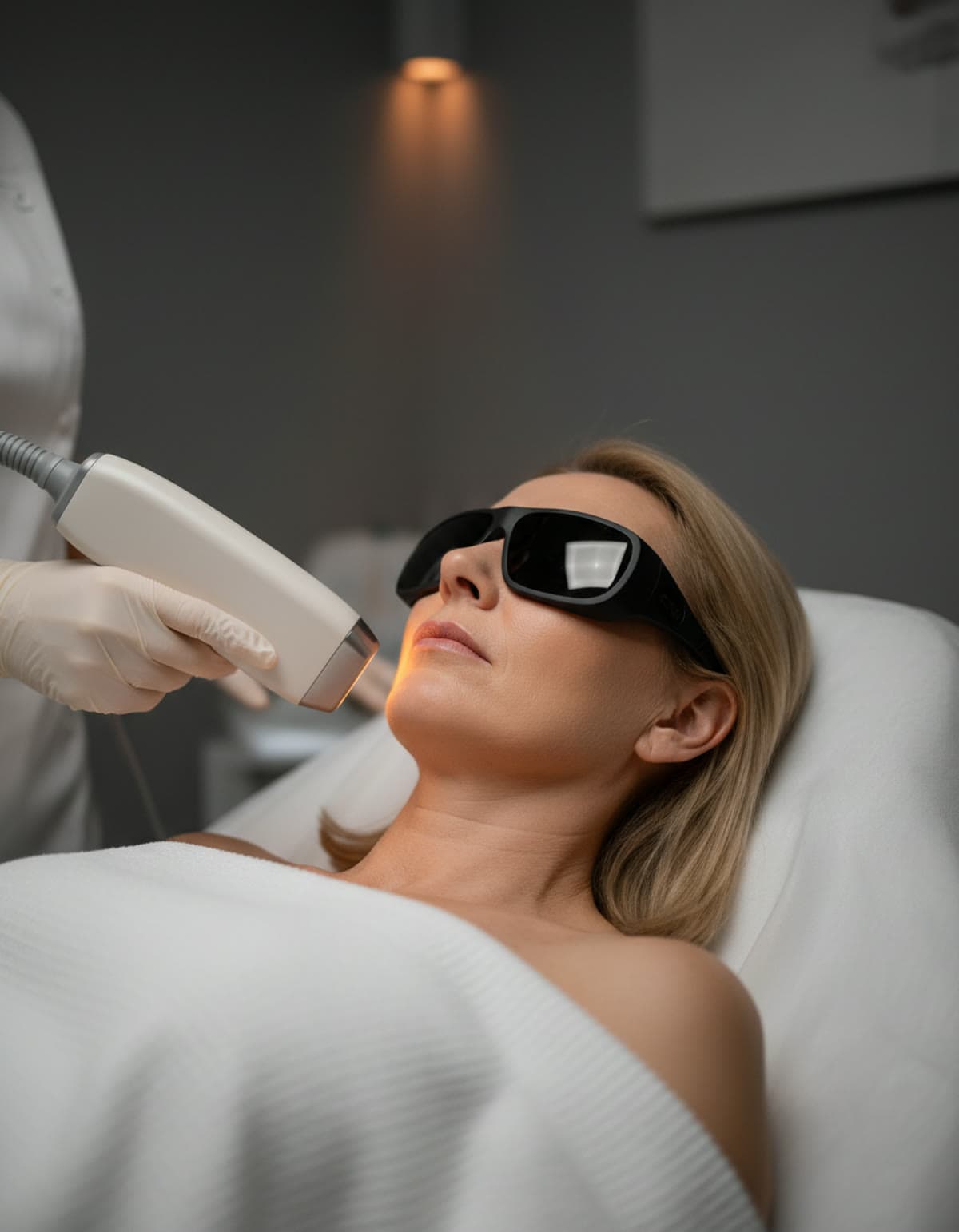
BBL / BroadBand Light
Pain: Mild · Downtime: 1-2 days · Moxie hasn't tried this treatment personally — pricing varies by clinic and provider in the UAE. Ask for a quote at consultation. Pricing variables include area, number of passes, combination with Moxi, and doctor/clinic tier.
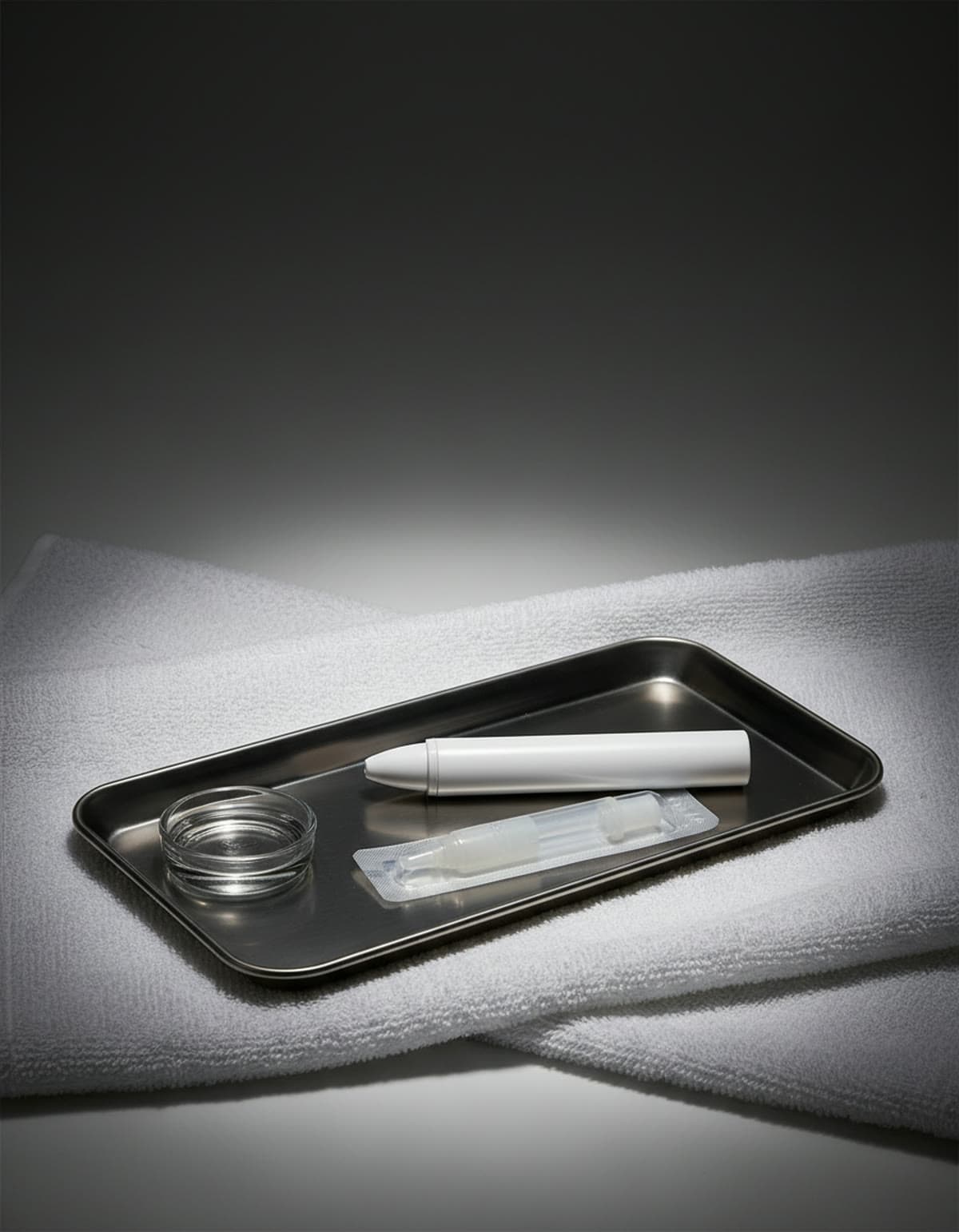
Microneedling
Pain: Mild · Downtime: 3-5 days · Moxie cost: AED 500 for the Dr. Pen device + AED 150 for the serum (lasts 4-5 sessions, not the whole routine). Moxie repeats every 4 weeks.
Moxi Laser
Pain: Mild · Downtime: 1-2 days · Moxie hasn't tried this treatment personally — pricing varies by clinic and provider in the UAE. Ask for a quote at consultation. Pricing variables include face versus face/neck, combination with BBL, and number of passes.
Q-Switch / Pico Laser
Pain: Moderate · Downtime: 1-2 days · Moxie's cost: about AED 2,500 — use as Moxie's recalled reference only. Full course depends on pigment type and number of sessions. Maintenance-wise, sunscreen and pigment-safe skincare are non-negotiable.
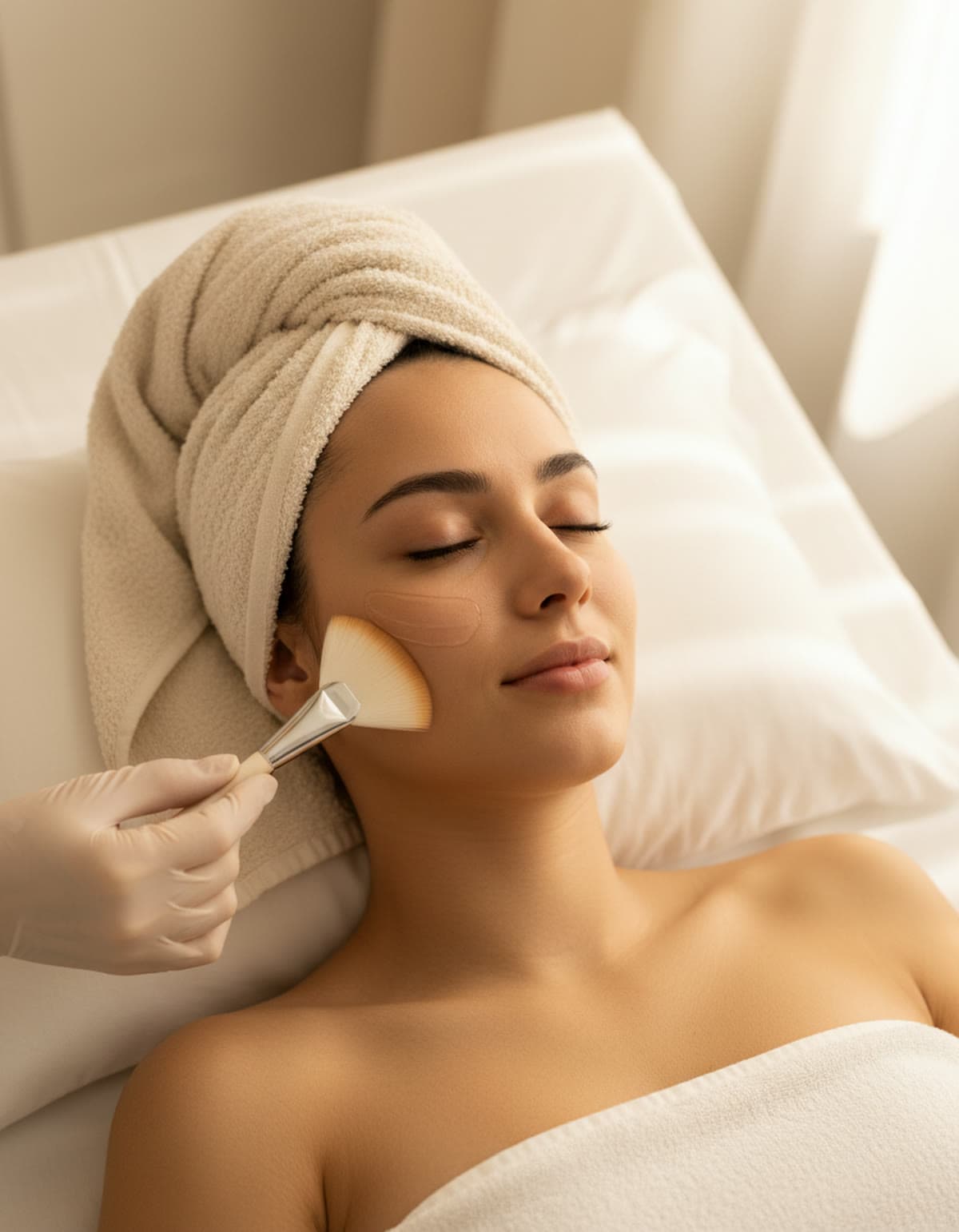
Superficial Peel
Pain: Mild · Downtime: 1-2 days · Generally not pricey — you can buy exfoliants, pads or peeling solutions over amazon, ranging from 80-150AED.
Emerging / Specialist
Frequently asked questions
What causes post-inflammatory hyperpigmentation?
Inflammation or injury can increase pigment production or leave melanin deposited in the skin. Acne, dermatitis and some procedures are recognised triggers. PIH describes the pigment response; it does not identify the original trigger on its own. [1,2,4]
How long does PIH take to fade?
There is no fixed deadline. Many cases improve over months, but some take years or persist. That variability is why I would not turn a product's suggested timeline into a promise. [3]
Is PIH the same as an acne scar?
They are different changes: PIH concerns pigmentation; scarring concerns structural change in the skin. They may occur together. A dermatologist can assess whether a mark is pigment, scarring or another condition.
Can skincare make dark marks worse?
Yes. Callender and colleagues explain that some treatments used for PIH can also cause it. Irritation is a reason to review the approach with a dermatologist, rather than assume that discomfort means progress. [2]
Does sunscreen help with PIH?
Photoprotection is part of PIH management in the published literature, alongside addressing the underlying inflammatory condition. It is not a guarantee that existing pigment will clear, and sunscreen alone does not diagnose or address every trigger. [1,4]
References
- Davis EC, Callender VD. Postinflammatory hyperpigmentation: a review of the epidemiology, clinical features, and treatment options in skin of color. Journal of Clinical and Aesthetic Dermatology. 2010;3(7):20–31.
- Callender VD, St Surin-Lord S, Davis EC, Maclin M. Postinflammatory hyperpigmentation: etiologic and therapeutic considerations. American Journal of Clinical Dermatology. 2011;12(2):87–99.
- Taylor S, Grimes P, Lim J, Im S, Lui H. Postinflammatory hyperpigmentation. Journal of Cutaneous Medicine and Surgery. 2009;13(4):183–191.
- Yadav G, et al. A Review of Post-Inflammatory Pigmentation Changes: Pathophysiology, Diagnosis and Treatment. Journal of Cutaneous Medicine and Surgery. 2026;30(5):486–497.
See something wrong on this page? Report it — we review every correction request.