Not medical advice. Content is based on personal experience and published research. Always consult a qualified dermatologist before starting any new treatment or regimen.
20-Second Answer
The 3 established, editor-vetted options for this concern:
What It Is
Hormonal acne is acne with a pattern. It often shows up around the chin, jawline, lower cheeks, or neck, and it may flare before a period or during wider hormonal changes. The core mechanism is oil glands going into overdrive - sebaceous activity - while the pore lining becomes stickier and inflammation builds deeper in the skin. This is why hormonal spots can feel sore before they are even visible. The mistake is treating it like random surface congestion. A scrub, a harsh drying lotion, or one aggressive mask may flatten a single spot, but it does not address the cycle. Hormonal acne often needs a longer strategy: reduce clogged pores, calm inflammation, protect the barrier, and, when appropriate, speak to a doctor about internal drivers. For medium, pigment-prone skin, the breakout is only half the issue. The mark afterwards can last much longer than the spot. That changes the goal: manage active acne without irritating the skin into more PIH. Stronger is not always smarter. Sometimes the most effective routine is the one that can be repeated for months without the face filing a complaint.
Root Causes
Androgen-related oil activity: Hormonal shifts can increase oil production, making pores more likely to clog.
Sticky pore lining: Dead cells can cling inside the pore, trapping oil and creating the starting point for a breakout.
Inflammation: Deep hormonal spots often involve strong inflammatory signalling, which can make them sore and more likely to mark.
Cycle-linked timing: Flares may cluster before a period or during hormonal change windows.
Barrier disruption: Over-drying acne routines can irritate skin and worsen the look of breakouts and marks.
Find Your Cause
Not every cause is treated the same way — find the one that matches you.
Androgen-related oil activity
Hormonal shifts can increase oil production, making pores more likely to clog.
Sticky pore lining
Dead cells can cling inside the pore, trapping oil and creating the starting point for a breakout.
Inflammation
Deep hormonal spots often involve strong inflammatory signalling, which can make them sore and more likely to mark.
Cycle-linked timing
Flares may cluster before a period or during hormonal change windows.
This one's more about routine than a specific product — gentler handling helps more than any ingredient.
Barrier disruption
Over-drying acne routines can irritate skin and worsen the look of breakouts and marks.
This one's more about routine than a specific product — gentler handling helps more than any ingredient.
Symptoms & How It Presents
Recurring inflamed spots, often tender papules, pustules or deeper nodules around the chin, jawline and lower cheeks. Flares may follow a monthly or life-stage pattern.
How to Recognise It
Look for repeat breakouts in the same lower-face areas that track with menstrual cycles, perimenopause, pregnancy-related shifts or other hormonal changes. Pattern alone is not a hormone test, so persistent or sudden acne should be assessed clinically.
Moxie's Note
"My acne was linked to a food intolerance, but the pattern taught me a lot about breakouts that keep coming back. Benzoyl peroxide worked on active spots, but it could leave my skin dry and the PIH afterwards was the real problem. I learned not to attack every breakout with ten products. The calmer I kept the skin around the acne, the less dramatic the aftermath looked." — Moxie's verdict: Control inflammation, prevent marks
Ingredients
10 reviewedEstablished
Adapalene
Azelaic Acid
Glycolic Acid
Mandelic Acid
Niacinamide
Retinal (Retinaldehyde)
Emerging / Specialist
Treatments
3 reviewedEstablished
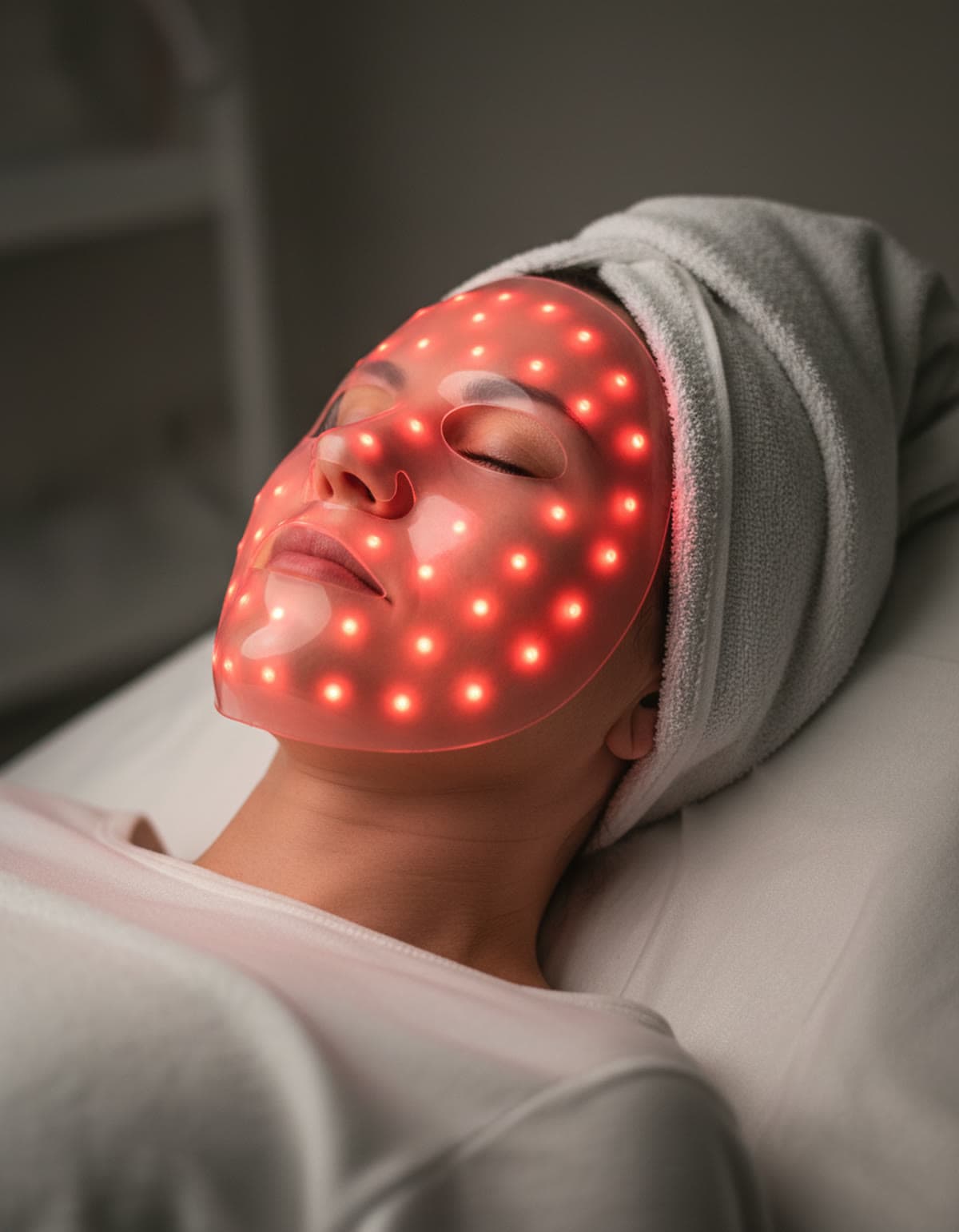
LED Light Therapy
Pain: Minimal · Downtime: None · Moxie devices: mask ~AED 2,000; lamp ~AED 2,500. Once purchased, home-use cost per session becomes low — this is ongoing use, not a clinic course.
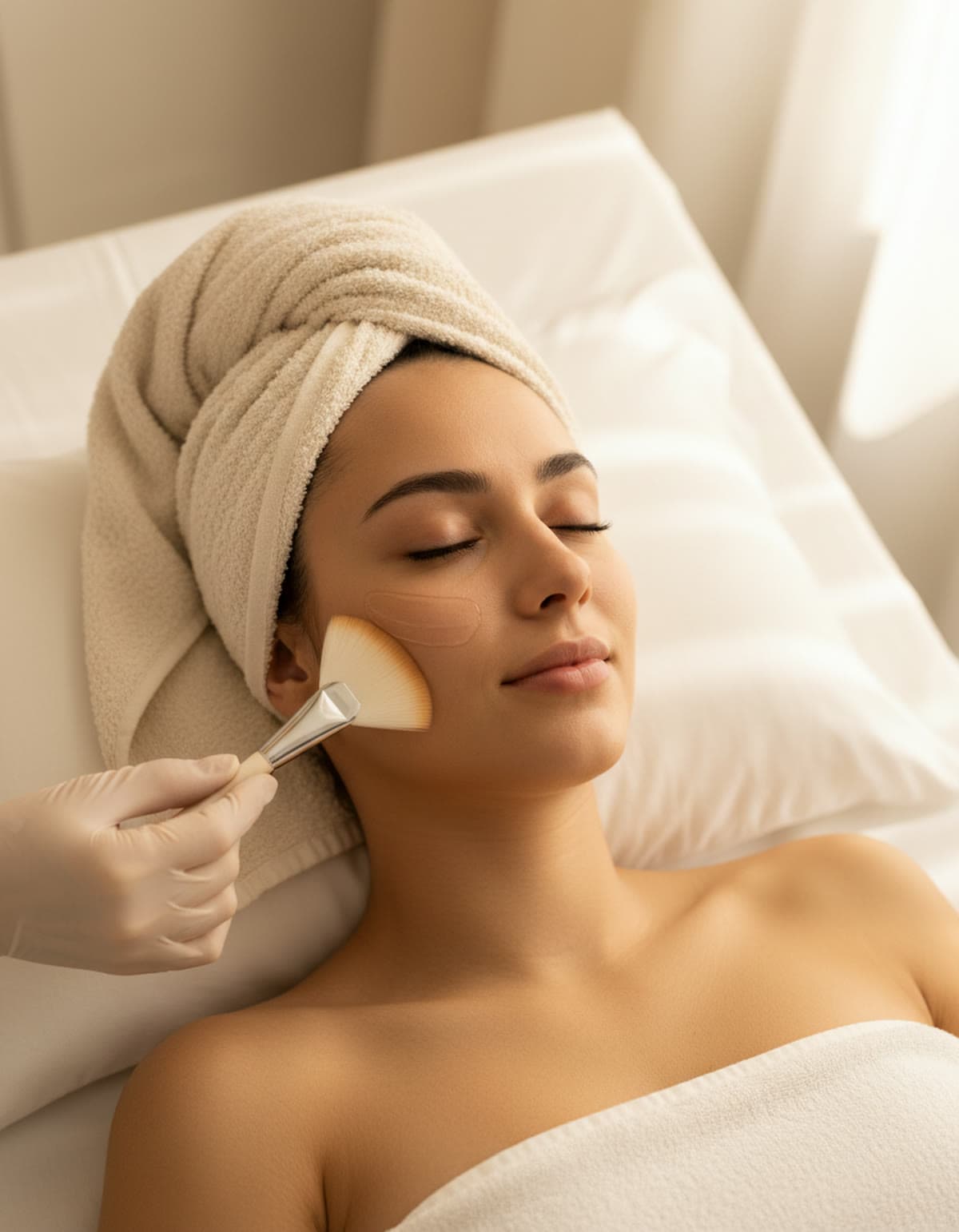
Superficial Peel
Pain: Mild · Downtime: 1-2 days · Generally not pricey — you can buy exfoliants, pads or peeling solutions over amazon, ranging from 80-150AED.
See something wrong on this page? Report it — we review every correction request.